Welcome to Kohtala Laboratory of Systems Neuropharmacology
Division of Pharmacology and Pharmacotherapy Faculty of Pharmacy University of Helsinki
GCaMP6s-expressing primary neurons — video courtesy of Iina Annala
Scroll down

Research focus

Our research explores brain temperature as an active regulator of neuroplasticity. We investigate how physiological and pharmacological changes in brain temperature shape TrkB/BDNF signaling, synaptic plasticity, and network function, with direct relevance to sleep, stress, anesthesia, and rapid-acting antidepressant mechanisms.

Recent publications

Methods & Tools

We combine in vivo and in vitro approaches with cutting-edge molecular and computational techniques. We also enjoy building custom research equipment and developing new experimental pipelines.

Fiber photometry
EEG
Brain temperature measurements
Neuronal cultures
Flow cytometry
2-photon imaging
Proteomics
Transcriptomics
Basic molecular techniques
iDISCO
Custom hardware & pipelines
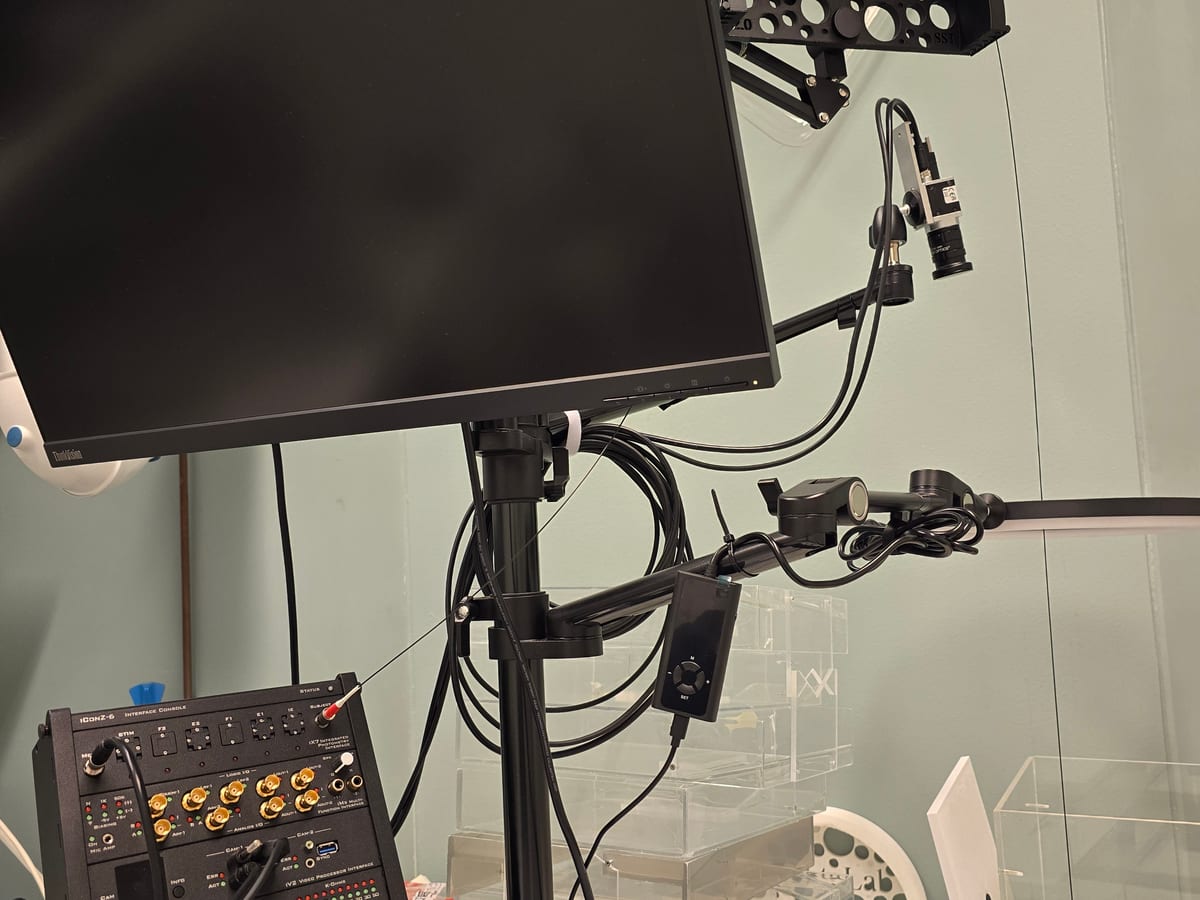
Fiber photometry setup with camera, optical patch cords and recording console
Fiber photometry recording setup
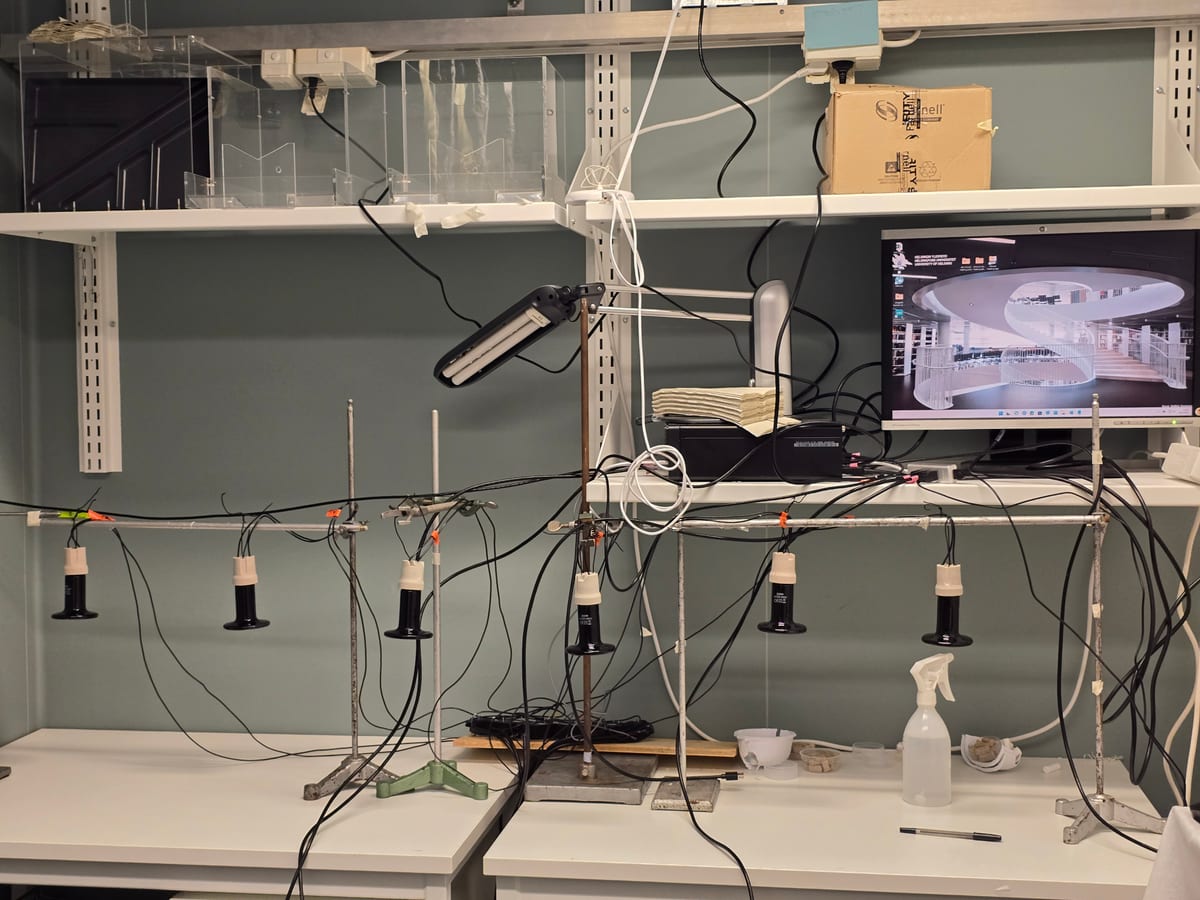
Bench with an array of infrared lamps mounted on stands above the work surface
Infrared heating array for brain temperature work
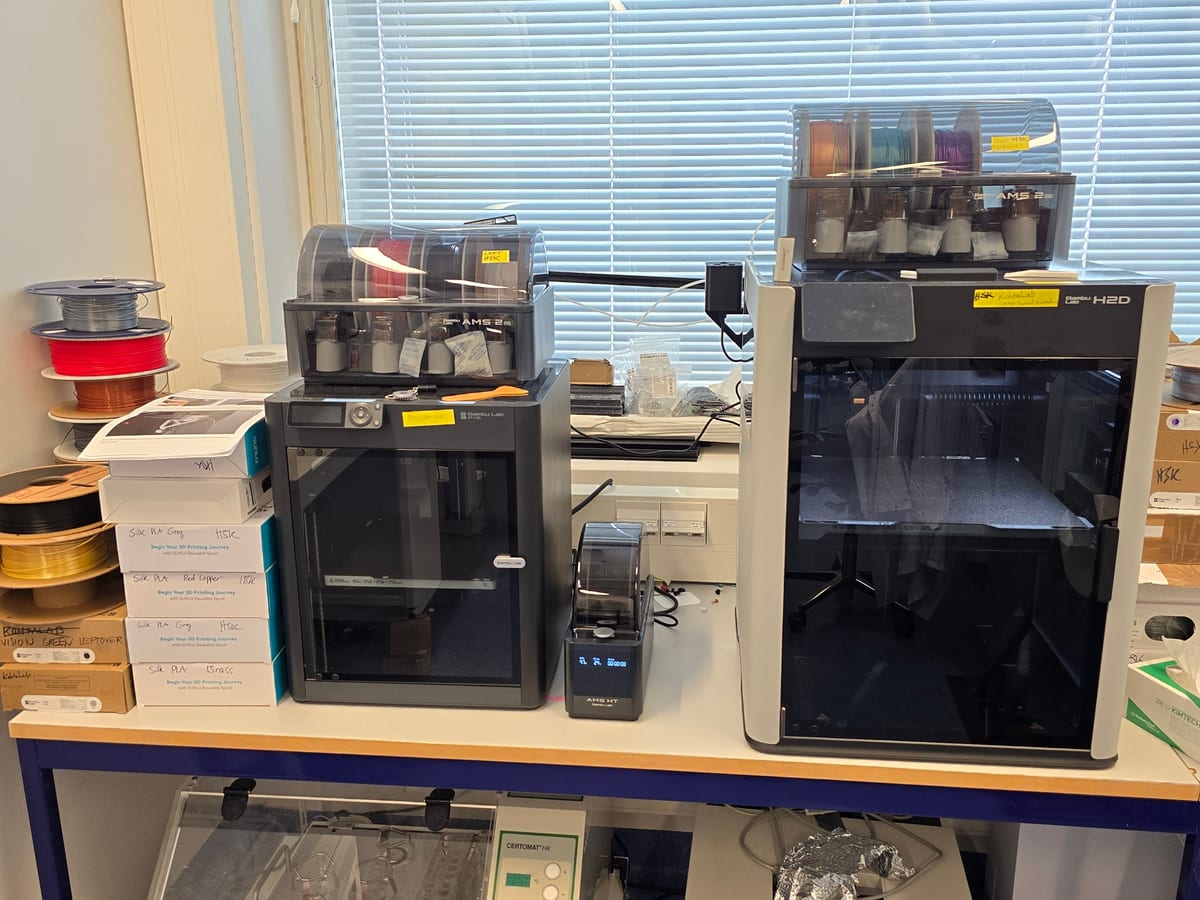
Two 3D printers with filament units on a lab bench
3D printing for custom research equipment
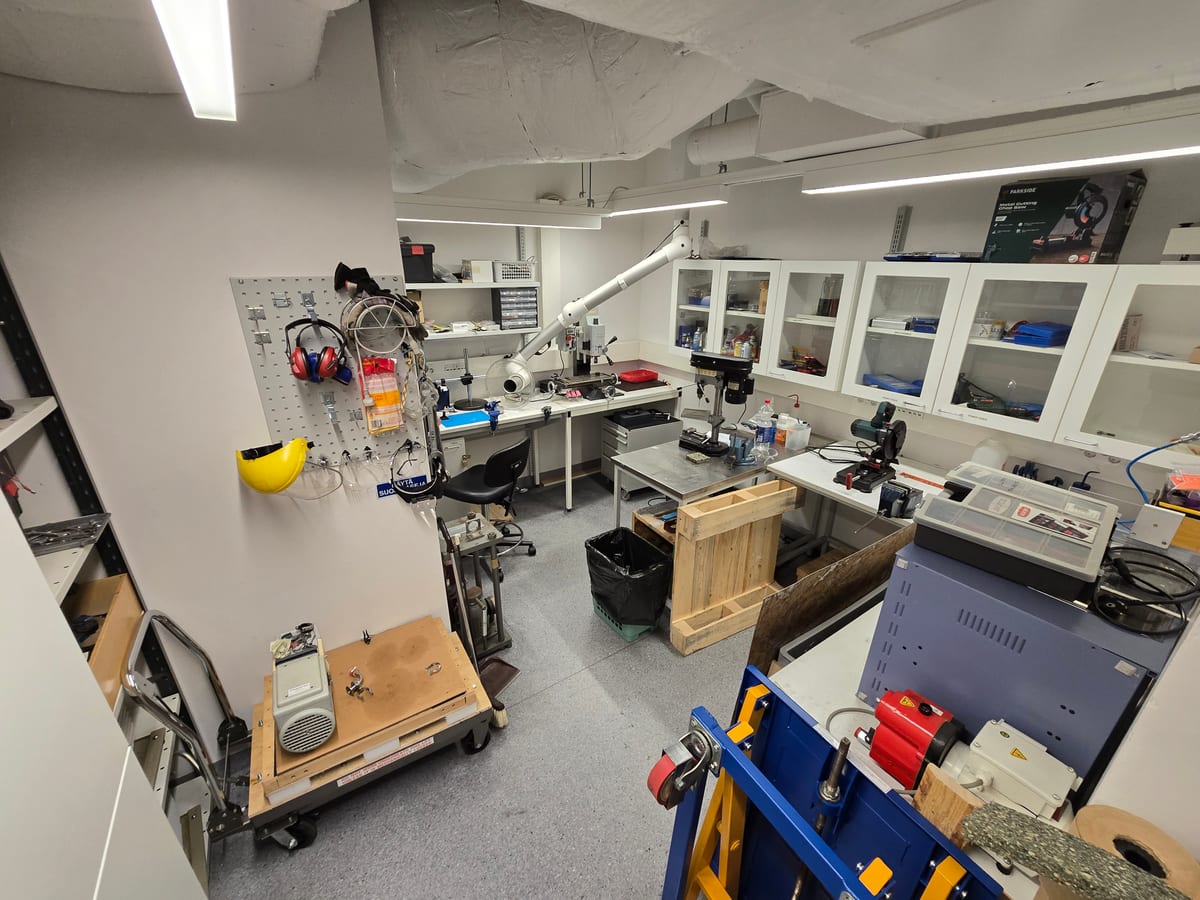
Workshop with milling machine, drill press and hand tools
Workshop for building and prototyping

Supported by

Research Council of Finland
JAES
Cultural Foundation
Sigrid Juselius Foundation
Instrumentarium Science Foundation
University of Helsinki
BRAIN-MIND

Research Council of Finland, Jane and Aatos Erkko Foundation, Finnish Cultural Foundation, Sigrid Jusélius Foundation, Instrumentarium Science Foundation, University of Helsinki – Doctoral School Brain & Mind, Tor, Joe and Pentti Borg Foundation

Research Group

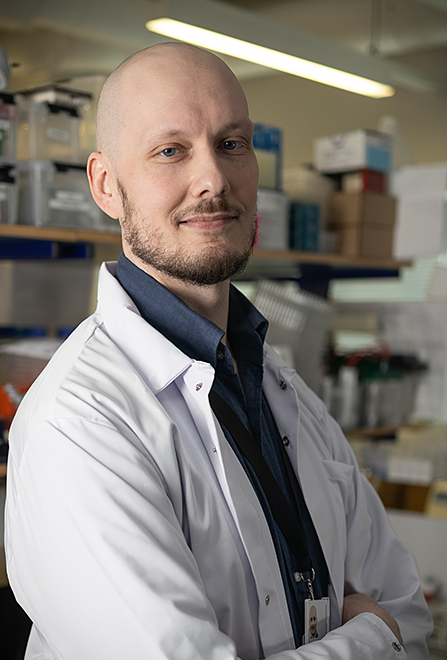
Samuel Kohtala

Principal Investigator, Academy Research Fellow

Samuel Kohtala

PhD (pharm.), Docent in Neuropharmacology

Samuel graduated as a Master of Science in Pharmacy from the University of Helsinki in 2015, focusing on neuropharmacology. He received his PhD (pharm.) from the University of Helsinki in 2019, with distinction, after completing his doctoral work in the Laboratory of Neurotherapeutics led by Dr. Tomi Rantamäki. His PhD research focused on the shared neurobiological mechanisms of antidepressant and anesthetic drugs. Following his doctoral studies, he received the Albert Wuokko Young Researcher Award.

He completed an important part of his postdoctoral training at Weill Cornell Medicine in New York from 2020 to 2022 as a Sigrid Jusélius Visiting Fellow of Neuroscience in Psychiatry, working under the mentorship of Dr. Conor Liston and Dr. Francis S. Lee, internationally recognized experts in systems neuroscience, psychiatry, and neurotrophic signaling. Samuel was awarded the Title of Docent in Neuropharmacology in 2025.

In November 2025, Samuel established his independent research group at the University of Helsinki, supported by the Jane and Aatos Erkko Foundation and the Finnish Cultural Foundation. Since then, Samuel received Young Group Leader funding from the Sigrid Jusélius Foundation and Academy Research Fellowship funding from the Research Council of Finland. Samuel's current research investigates how brain temperature and other physiological state variables regulate neuroplasticity, neurotrophic signaling, and the effects of psychoactive and antidepressant drugs.

Outside the laboratory, Samuel enjoys building art installations, exploring the interface between science and art, practicing historical European martial arts, and working on hands-on projects at his summer cottage.
Group Members

Keerthana Chithanathan

Keerthana Chithanathan

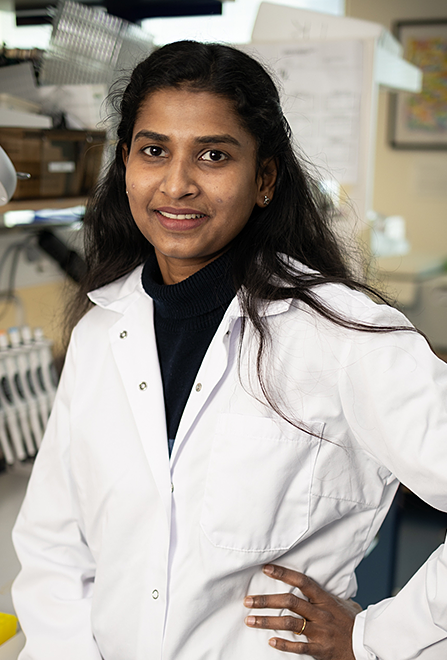
Postdoc, PhD

Keerthana received her integrated master's degree in biomedical sciences from Bharathidasan University, completing her master's research at the National Brain Research Centre in India. She worked as a research assistant at the Indian Institute of Science, studying cellular and synaptic mechanisms associated with cognitive dysfunction, and was also a visiting student at the University of Valencia.

She earned her PhD in neuroscience from the University of Tartu in 2025, where she began working extensively with microglia and neuroimmune signalling. Her doctoral research focused on the distinct roles of the miR-146 family in brain function, neuroinflammation and cellular senescence, with particular emphasis on microglial responses and neurogenesis. In 2024, she received the Valda and Bernard Õun Scholarship in recognition of the combined body of publications arising from her doctoral research.

She joined Samuel's lab in September 2025. Her current research explores how changes in brain temperature shape molecular signalling and cellular responses. She is particularly interested in uncovering the mechanisms underlying temperature-dependent TrkB activation and characterising cell-specific and broader glial responses to cooling.

Outside the lab, Keerthana enjoys painting, cooking, playing the ukulele, gardening and experimenting with coffee.

David Micinski

David Micinski

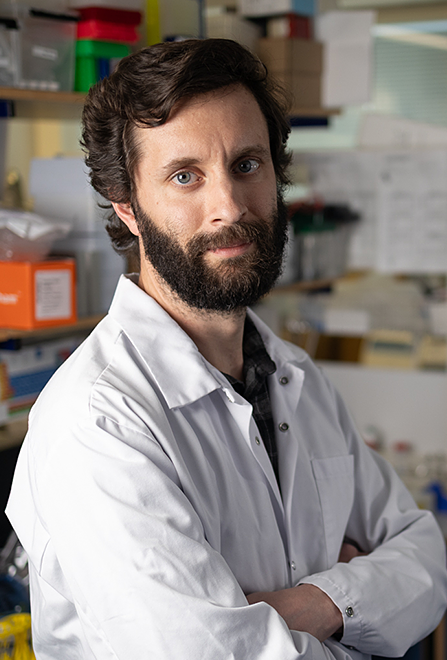
Postdoc, PhD

David received his Master's in Neuroscience from the University of Helsinki, completing his master's thesis jointly at Aix-Marseille Université after earning an A*MIDEX fellowship. The work was completed in the Neuronal Mechanisms of Spatial Cognition Lab of Jérôme Epsztein.

He earned his PhD in 2025 from the University of Helsinki, graduating with distinction from the laboratory of Pirta Hotulainen at the Minerva Foundation Institute for Medical Research, where he gained expertise in a variety of super-resolution microscopy techniques. His PhD work focused on the actin cytoskeleton's role in axon initial segment (AIS) maintenance and function, particularly in AIS plasticity.

He started as a postdoctoral researcher in Samuel's lab in April 2026, leveraging his in vitro experience to examine the role of brain temperature on nanoscale structural and functional properties of neurons and their networks.

In his spare time, David enjoys pushing his limits in ultramarathons, bouldering, and cooking.

Áron Bendegúz Varga

Áron Bendegúz Varga

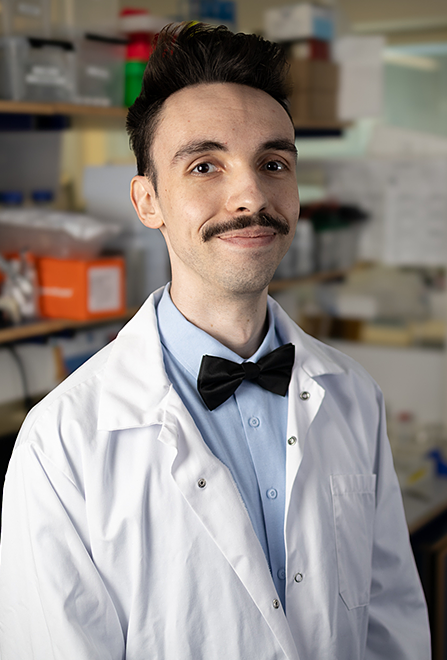
PhD Student, MSc

Áron studied biology at the University of Veterinary Medicine Budapest and earned his Master's in Neuroscience at the University of Helsinki (UH). As an undergraduate, he interned in the laboratories of Éva Mikics, Ede Rancz and Eero Castrén, strengthening his in vivo and ex vivo skills, and gained biotech R&D experience at TritonLife Labs Kft. and Polku Therapeutics Oy.

He started his PhD on brain temperature's role in neuroplasticity in Samuel's group in October 2025 and received a UH scholarship for the duration of his studies. Áron is passionate about teaching and pedagogy alongside his research, and he enjoys stepping into competitive arenas, notably reaching the UH finals of the Three Minute Thesis pitching competition in 2026. In his free time, he enjoys yoga-inspired fitness, playing the piano and collecting herbs.

Elo Papinaho

Elo Papinaho

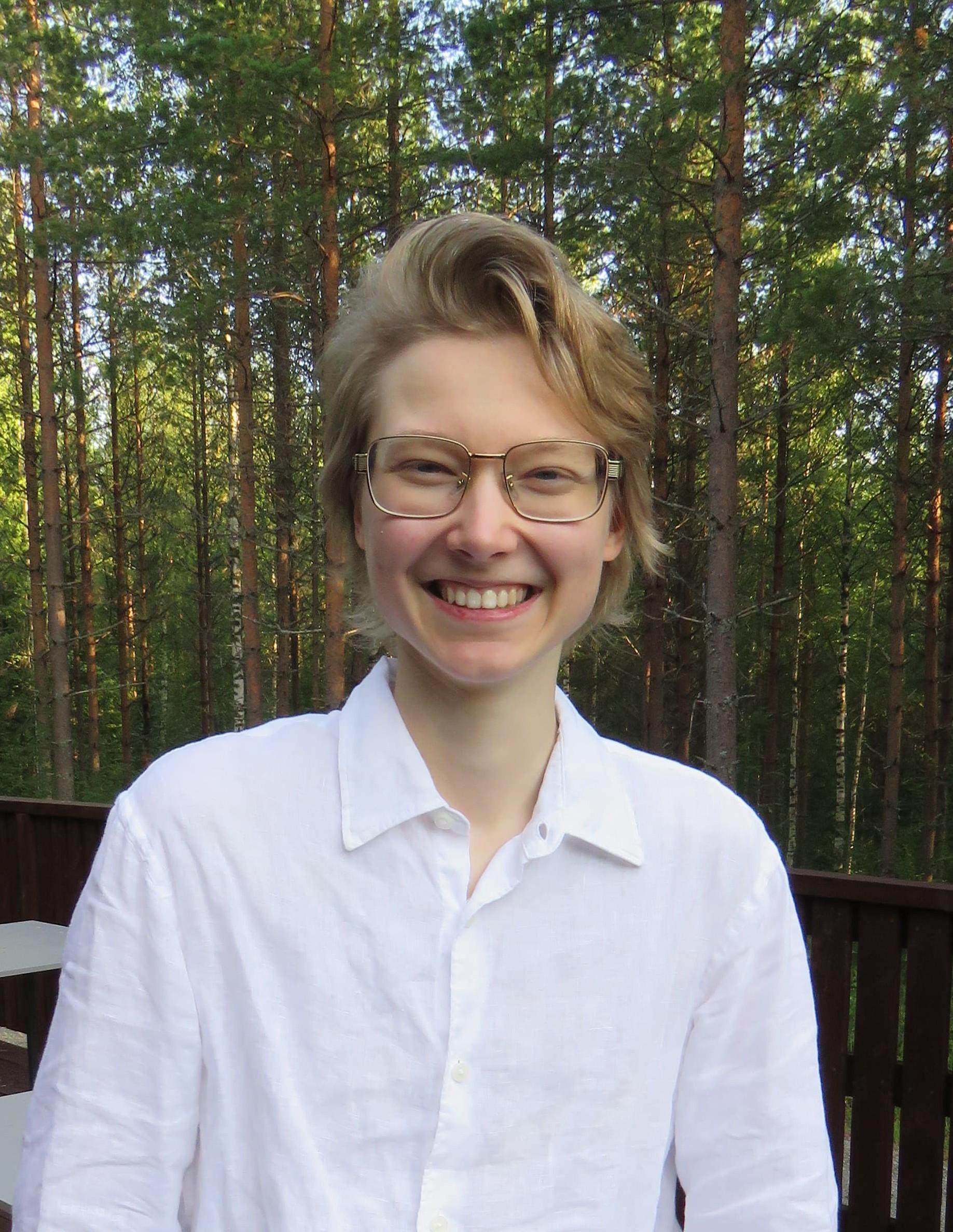
Research Assistant, MSc

Elo completed their Master's in Neuroscience at the University of Helsinki in 2026. For their Master's thesis in the lab of Hanna Antila, Elo focused on the circuitry imbalances associated with psychiatric disorders in the context of sleep, utilizing optogenetic techniques and EEG.

With an interest in neuroplasticity, psychiatric disorders and the more technical side of research, Elo joined to combine them all in Samuel's lab as a research assistant. On the side of lab work, Elo enjoys drawing, creative writing and photographing clouds for their extensive cloud collection.

Students and Trainees

Ali Khan, MSc student

Maria Sageorgi, MSc student

Linnea Sander Persson, Visiting MSc student

Alumni

2026
Soma Szentkirályi-Tóth

Soma Szentkirályi-Tóth

Research Assistant, BSc
Aada Alanen

Aada Alanen

Master's Student, BSc

Bettina Soinila

Master's Student

Lab Logbook

Milestones, events, and moments from the laboratory.

KohtaLab receives Academy Research Fellowship funding

Samuel Kohtala has been awarded Academy Research Fellowship funding from the Research Council of Finland. The 4-year funding will support KohtaLab's research on "Regulation of synaptic plasticity by brain temperature dynamics". View funding record.

Research Council of Finland

Purkutaide 2026 — art exhibition now open

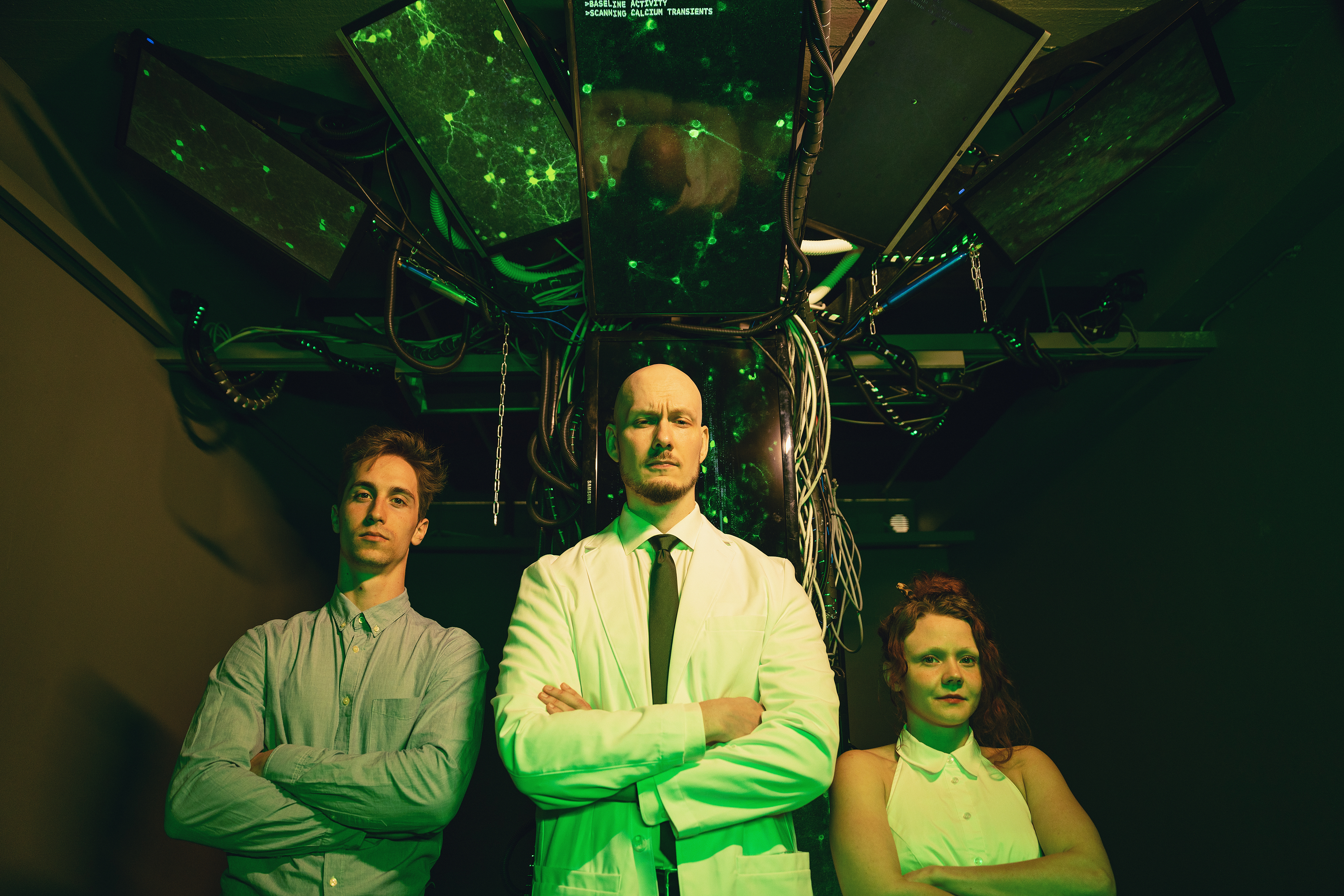
A neuroscience art installation by Samuel Kohtala, Iina Annala, and Soma Szentkirályi-Tóth is now on display as part of the Purkutaide 2026 exhibition. The installation explores the visual and experiential dimensions of neuroscience research. Visit neurons.fi for more information about the work.

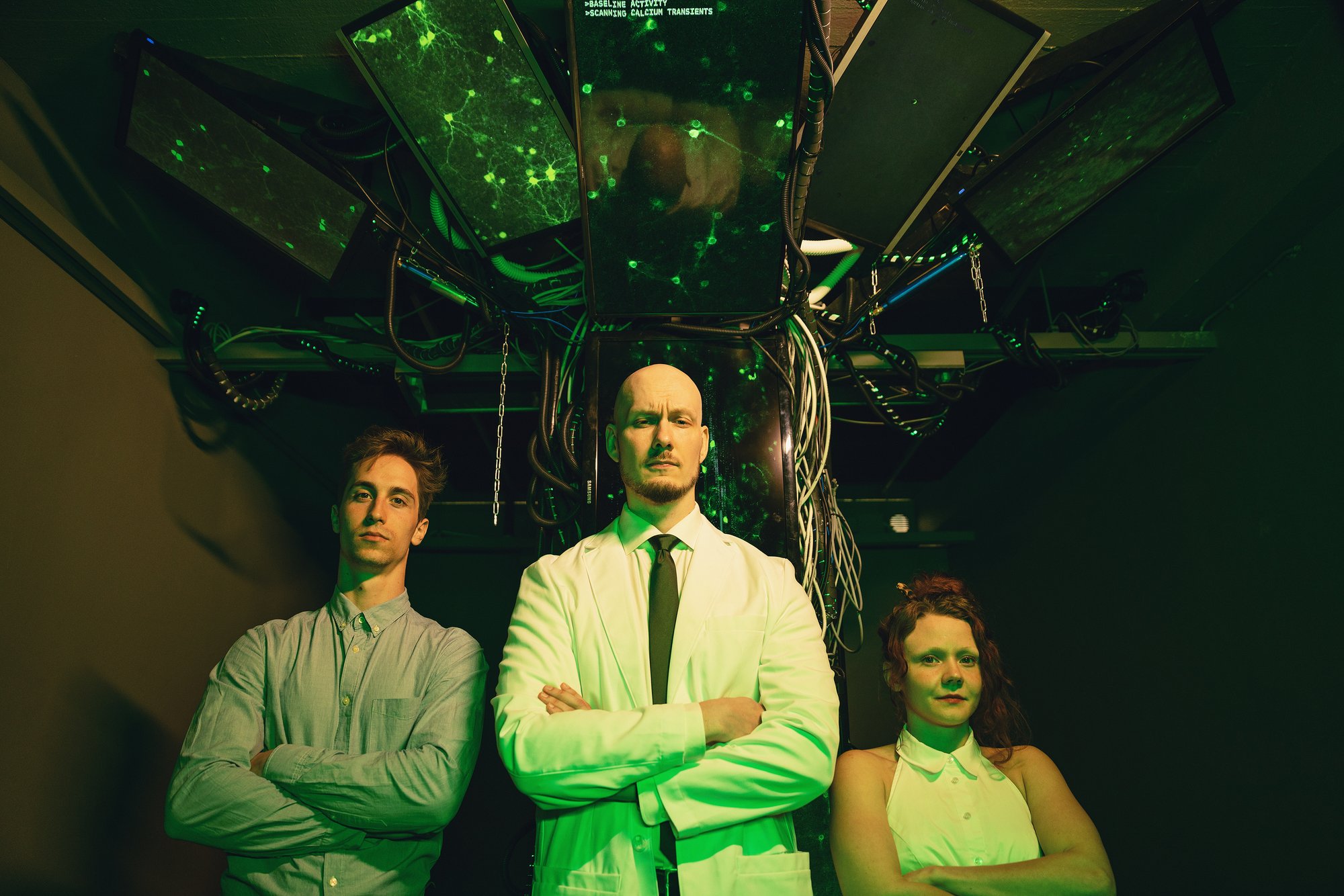
Purkutaide 2026 — Team Kohtala installation
© Pia Maria Rautio

Contact

We are open to hearing from motivated students and researchers interested in joining the Kohtala Lab. We welcome enquiries from prospective BSc and MSc thesis students, PhD applicants, and postdoctoral researchers whose interests align with our research goals.

At present, we do not have open salaried positions. MSc thesis projects are typically not salaried positions. PhD and postdoctoral applicants are strongly encouraged to explore external funding opportunities, and applicants with their own funding or a concrete funding plan are especially welcome to get in touch. Exceptional applicants may also be considered should suitable future project funding opportunities arise.

Prospective applicants should send a free-form application including:

  • a brief description of their research interests and motivation for joining the lab;
  • a CV;
  • academic transcripts, where relevant;
  • at least one reference letter, or the contact details of at least one academic referee;
  • information on possible funding sources, if applying for a PhD or postdoctoral position.

Applications should clearly indicate whether the enquiry concerns a BSc thesis, MSc thesis, PhD project, postdoctoral position, or another form of research visit or collaboration.

Please note that we receive a large number of enquiries. To help us assess potential fit, applications should be specific about the applicant's research interests, relevant experience, and why they are interested in our lab. We may not be able to respond individually to all enquiries, but applications will be reviewed when suitable supervision, project, or funding opportunities arise.

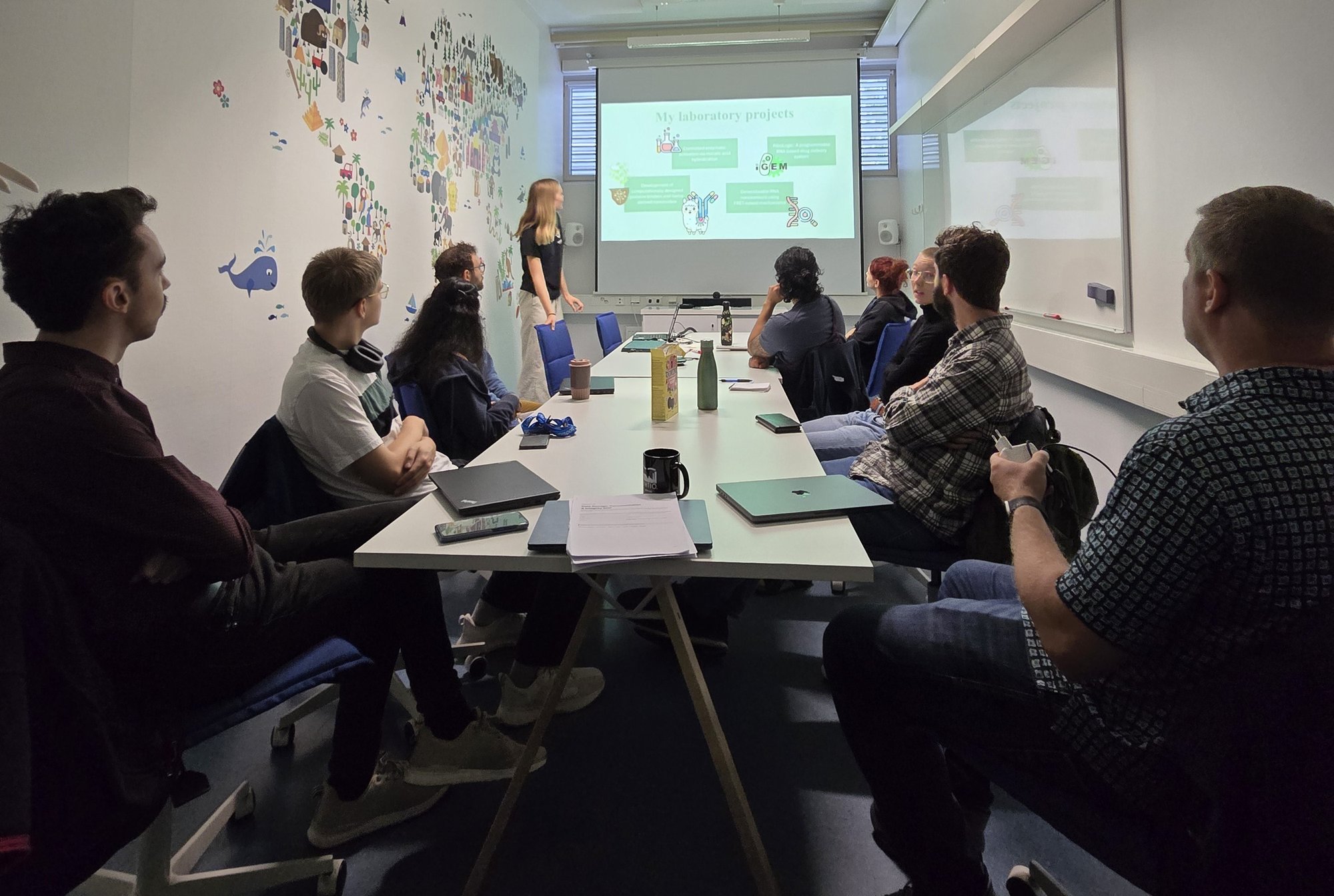
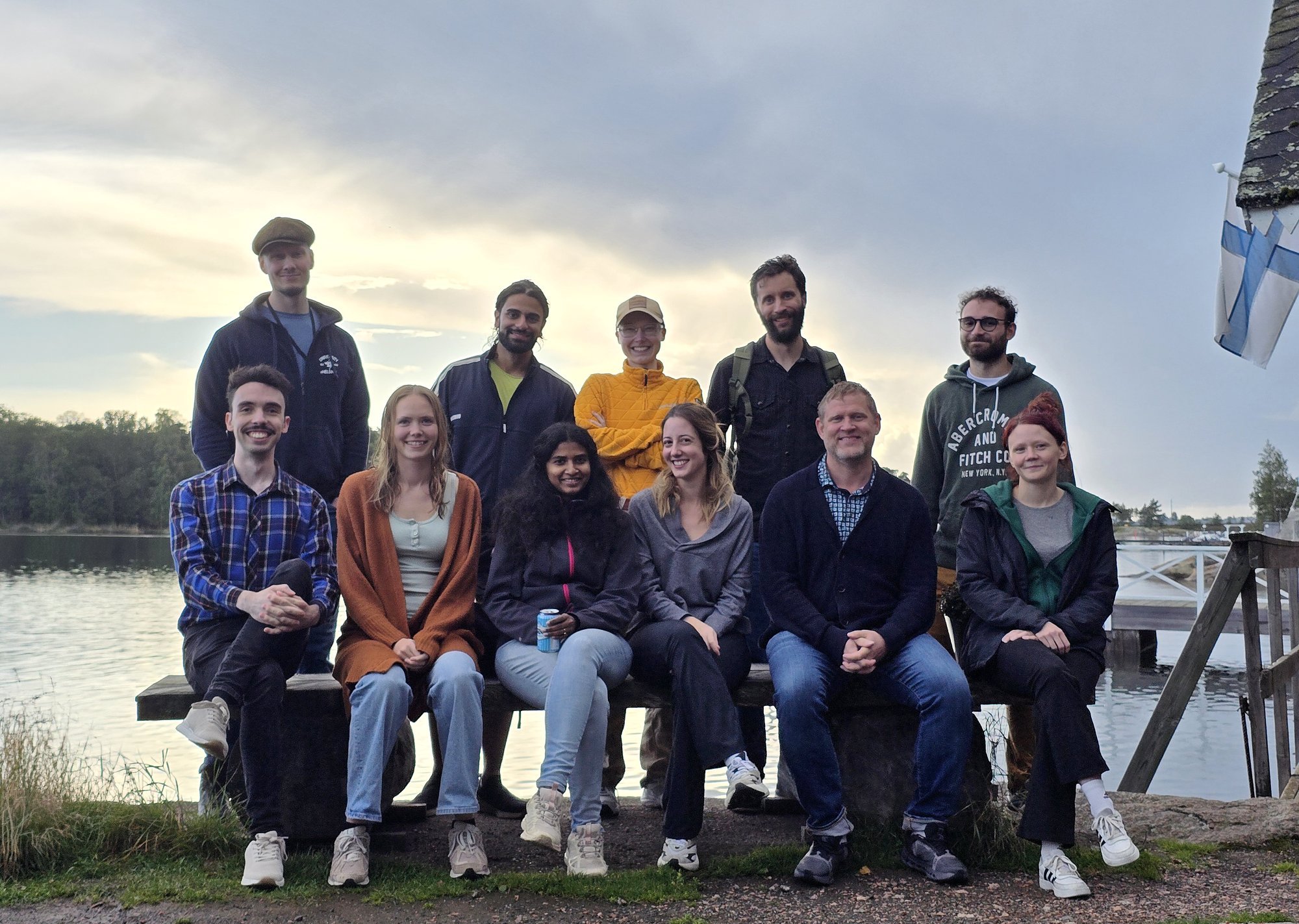
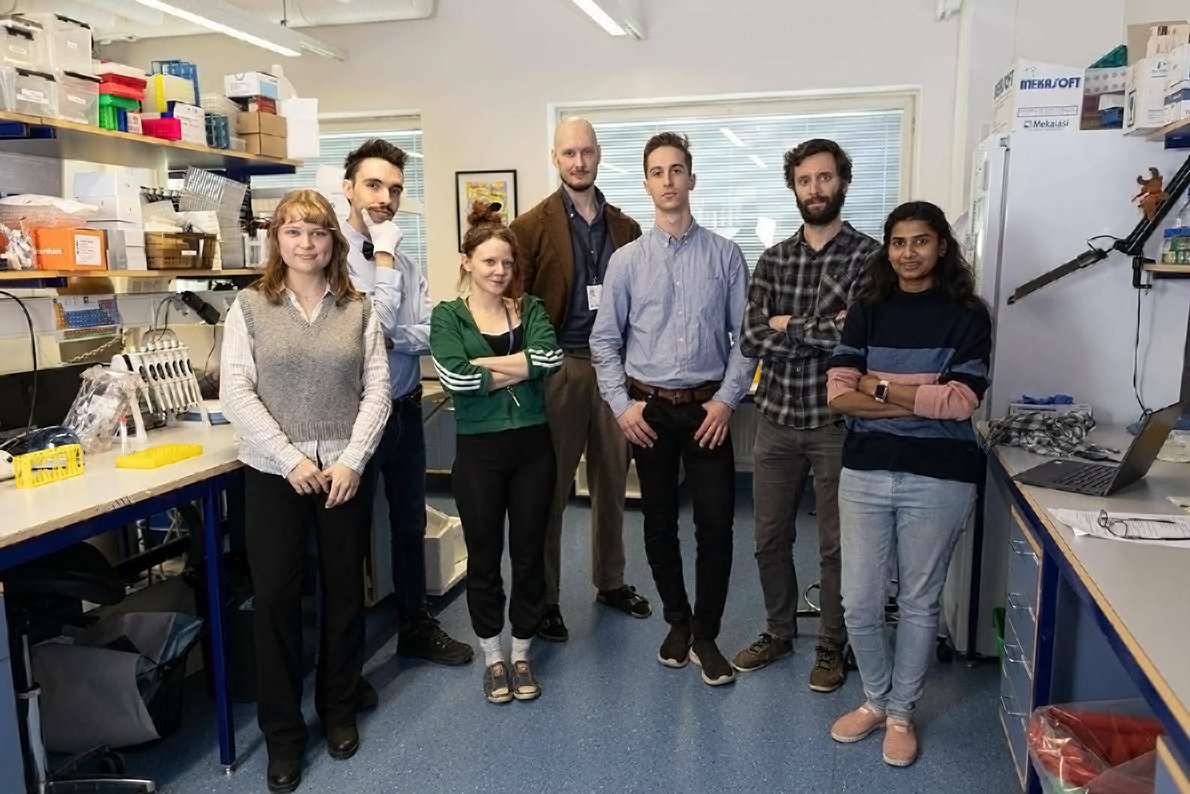
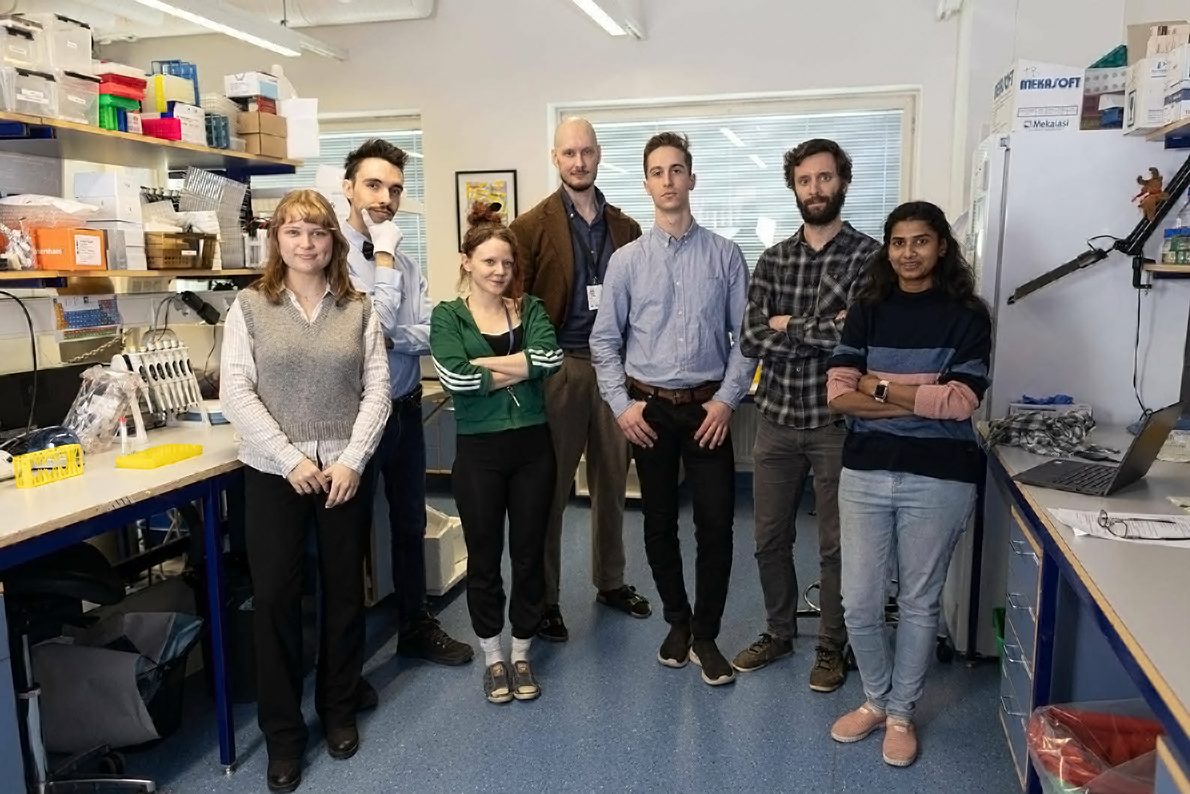
Kohtala Lab group photo

Kohtala lab group photo 04/2026